
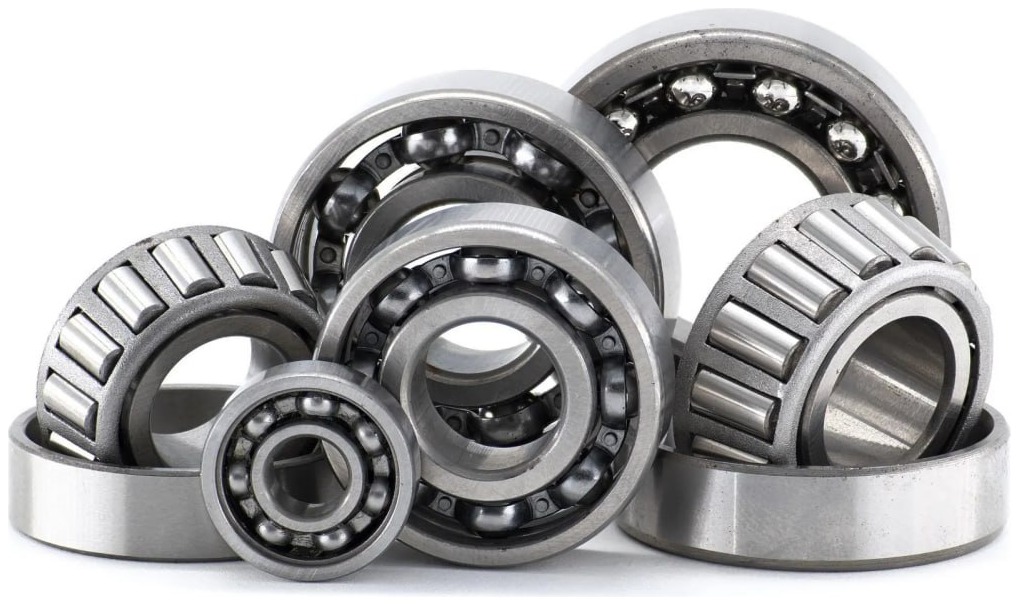
Short answer: bearings are chosen by reference and by fit. A dimension can confirm a candidate, but it does not replace the reference check. Verify the marking, the bore, the outside diameter, the width and the housing or shaft fit before ordering.
Reference first, dimensions second
A bearing reference identifies a catalogue line. The same bore and outside diameter can still differ in width, internal clearance, seal type or cage. Start with the reference and use dimensions to confirm the old part, not to invent a replacement.
The three dimensions that decide fit
Measure the old bearing with a caliper and record bore, outside diameter and width. If the bearing is still in the housing, measure the housing bore and the shaft seat instead and say so.
| Dimension | What it controls | Common mistake |
|---|---|---|
| Bore | Shaft fit | Assuming a metric bearing from the outside diameter |
| Outside diameter | Housing fit | Measuring a worn or burred surface |
| Width | Axial location | Ignoring a shoulder or spacer |
Housing and shaft fit are part of the request
A bearing that matches the catalogue can still be wrong for a worn housing. Send the housing condition, any spacer or snap ring and the shaft seat. If the old bearing spun or discolored, say so; the repair may need more than a bearing.
Markings, packaging and traceability
Photograph the marking on the bearing and the packaging label. A label is not proof of the part inside, but it is part of the evidence. For a B2B order, ask what documentation the supplier can provide; do not assume a certificate exists.
A photo and measurement set
A clear set reduces the back-and-forth and gives the supplier a defensible record.
- Bearing face with the marking readable.
- Bore and outside diameter with the caliper in frame.
- Width, including any shield or seal.
- Housing bore, shaft seat and spacer.
- Packaging label if the part arrived as a replacement.
Sourcing mistakes to avoid
The bearings, rollers and pins catalogue groups the component family; it is not a stock list. Do not convert a dimension match into a fitment claim. If the reference is missing, send the measurements and the assembly details through part identification.
- Ordering by outside diameter alone.
- Mixing seal types or clearance classes.
- Reusing a worn housing without checking it.
- Treating a supplier cross-reference as OEM approval.
A six-step bearing verification sequence
Verify the reference, then the marking, then the dimensions, then the fit. A dimension can confirm a candidate, but it does not replace the catalogue line.
- Record the assembly and the bearing position.
- Read the marking on the old bearing and photograph it.
- Measure bore, outside diameter and width.
- Check the housing bore and shaft seat condition.
- Confirm seal, shield, cage and clearance requirements.
- Ask the supplier to confirm the variant before quoting.
A measurement record that can be checked
Write the measurements in one block and state the instrument used. If the bearing is still installed, record the housing and shaft dimensions instead.
| Record | Why it matters |
|---|---|
| Bore | Shaft fit |
| Outside diameter | Housing fit |
| Width | Axial location |
| Marking | Catalogue identity |
| Housing / shaft condition | Whether a bearing alone is enough |
Seals, clearance and cage
Two bearings with the same envelope can differ in seal type, internal clearance or cage material. These are application decisions, not cosmetic differences. If the old bearing is sealed or shielded, photograph that face and state it in the RFQ.
Do not ask for a “better” bearing without defining the requirement. A different clearance or seal can change the fit and the lubrication path.
Common sourcing errors
Most wrong-bearing orders start with a dimension-only request.
- Ordering by outside diameter alone.
- Mixing sealed and open bearings without checking the housing.
- Reusing a worn housing and expecting a new bearing to fix it.
- Ignoring a spacer, snap ring or shoulder.
- Presenting a supplier cross-reference as OEM approval.
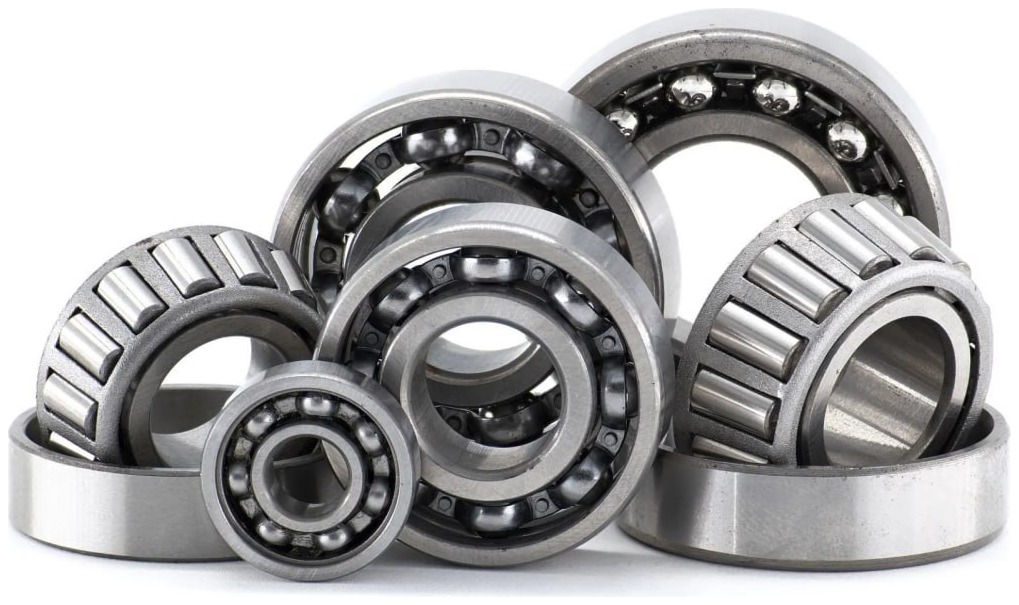
What to send with the RFQ
Send the assembly, the bearing position, the marking photo, the three dimensions and the housing or shaft condition. Use the bearings, rollers and pins catalogue as the component entry point, and part identification if the reference is missing.
Seals, clearance and cage: record the variant
A bearing envelope does not describe the whole bearing. Seals, shields, internal clearance and cage design can change the fit and the lubrication path. Photograph the face that shows the seal or shield and state it in the RFQ.
If the old bearing is open and the housing expects a sealed bearing, the enquiry should say so. A supplier cannot confirm the variant from bore and outside diameter alone. If the marking is worn, say that the marking is unreadable instead of guessing the line.
- Open, sealed or shielded: photograph the face.
- Standard or application-specific clearance: ask if unknown.
- Cage material or design if marked.
- Full bearing marking, including any suffix.
When the marking is worn
If the bearing marking is worn or painted over, do not invent a reference. Record the dimensions, the housing and shaft condition, and a photo of the marking area. State that the marking is unreadable so the supplier can decide whether a dimensional match is enough to continue.
A dimension-only enquiry can still be useful, but it is a weaker identification. Keep the assembly details attached so the supplier can ask a narrower question rather than guessing the line.
- Photograph the marking area even if it is worn.
- Record the three dimensions and the instrument used.
- State “marking unreadable” explicitly.
- Attach the assembly and housing details.
Need a reference checked? Send the assembly details, the stamped reference and photos of the old part. We confirm what the reference covers before quoting.